


How to Create a Dining Room That Feels Designed, Not Decorated
A beautiful dining room is not defined by a matching table and chairs. It is defined by how the room makes people feel when they enter it - whether it invites them to sit down, settle in and stay longer.
The best dining rooms have presence, but they are not precious. They feel elegant enough for entertaining, comfortable enough for everyday living and considered enough to feel deeply personal.
Quick takeaways for a luxurious dining room
- Proportion creates polish: A dining table, chairs, rug and light fitting should be scaled to the room and to one another.
- Comfort is part of luxury: Supportive seating, practical circulation and durable materials make the space feel as good as it looks.
- Layer with restraint: Natural materials, tactile finishes and one strong focal point create depth without making the room feel overcrowded.
How do I make my dining room look luxurious?
To make a dining room look luxurious, focus on proportion, comfort and materiality rather than price alone. Choose a dining table that suits the scale of the room, pair it with comfortable upholstered chairs and introduce one correctly scaled statement light. Layer natural timber, stone, leather or textured fabric, create one strong focal point and leave enough negative space for every element to breathe.
The foundations of a luxurious dining room
- Choose a dining table that is proportionate to the room.
- Prioritise comfortable, well-made seating.
- Use one statement light to anchor the dining area.
- Layer natural materials and tactile finishes.
- Avoid a perfectly matched showroom set.
- Leave clear space around furniture and decorative pieces.
In many modern homes, the dining room has become far more than a formal space reserved for special occasions. It is where weekday meals happen, where guests gather, where family conversations unfold and where the pace of the home often slows down. This shift has changed the way dining spaces are designed.
Today, homeowners are moving away from predictable dining sets and looking instead for spaces that feel layered, tactile and intentional. At Giava Interiors, we believe a dining room should not simply be furnished. It should be composed.
These principles work best when they are guided by a clear understanding of how the room should feel and how it will be used.
 A layered dining room where warm timber, sculptural comfort and quiet luxury come together.
Start with the feeling, not the furniture
Before choosing a dining table or chairs, consider how you want the room to feel.
Should it be warm and intimate? Light and refined? Moody and dramatic? Relaxed and family-friendly? The emotional direction of the room should guide every decision that follows - from the shape of the table to the upholstery on the chairs, the scale of the light fitting and the texture of the rug.
This is where a dining room begins to feel designed rather than decorated. The furniture is not chosen in isolation. It is selected as part of a larger story.
 A perfectly scaled dining nook designed for comfort, connection and everyday living.
A dining room that is used every day will need a different design approach from one that is used mainly for entertaining. A breakfast nook may call for softness and ease, while a formal dining room may need more visual presence. Understanding the purpose of the space allows the design to feel natural, not forced.
Choose a table that anchors the room
The dining table is the centre of the room, but more importantly, it is the piece that gives the space its structure.
A well-chosen dining table should hold the room visually, even when it is not styled. It should feel proportionate, grounded and connected to the architecture around it. Sculptural bases, softened edges, beautiful timber grain, pedestal forms, stone tops and mixed-material details can all turn a functional table into a design feature.
 A bespoke dining table anchors the room with proportion, craftsmanship and quiet presence.
The shape of the table matters too. A rectangular table often works beautifully in larger dining rooms and open-plan spaces because it creates direction and structure. A round table is ideal for smaller rooms, breakfast nooks and more intimate spaces because it encourages conversation and softens the flow of the room.
The right table should never feel like it was simply placed in the space. It should feel as though the room was waiting for it.
Explore our collection of bespoke dining tables designed to anchor the room with proportion, craftsmanship and quiet presence.
 Upholstered dining chairs bring softness, comfort and refinement to daily living.
Make comfort part of the luxury
Dining chairs are often chosen for their appearance, but the real test is how they feel.
A dining room should invite people to linger. This is why comfort has become such an important part of modern dining room design. Upholstered dining chairs, curved backs, generous seats and supportive proportions all help the room feel more welcoming.
Luxury is not only about how a room looks in a photograph. It is also about how it feels to live in. A chair that looks beautiful but becomes uncomfortable after ten minutes will never support the kind of dining experience most homeowners want.
 Timber, glass, upholstery and texture create depth without overwhelming the room.
Performance fabrics are especially valuable in family homes and entertaining spaces. They allow homeowners to enjoy texture, softness and lighter tones while still considering spills, regular use and everyday practicality.
The best dining chairs bring together comfort, craftsmanship and detail - timber frames, tailored upholstery, contrast piping, leather accents or a distinctive silhouette. These details are subtle, but they are what make a room feel considered.
Get the scale right before you fall in love
One of the most common mistakes in dining room design is choosing a table or chair because it is beautiful, without first considering whether it truly belongs in the room. Scale is everything.
 Considered layers of texture, timber and sculptural decor create quiet presence.
A dining table needs enough space around it for chairs to pull out comfortably and for people to move through the room with ease. As a practical guide, allow approximately 90 cm around the table wherever possible. The chairs need to sit correctly under the table, while a dining-room rug should extend far enough beyond the tabletop for the chair legs to remain on the rug when the chairs are pulled out. The light fitting should relate to the table, not float awkwardly above it.
Giava designer note: Measure the room, the table and the full chair depth before ordering. A beautiful piece can still feel wrong when circulation, chair movement and visual weight have not been considered together.
When the proportions are wrong, even beautiful pieces can feel unresolved.
The size and shape of the room should guide the decision. A large open-plan dining area may need a more substantial table with stronger visual weight. A smaller space may benefit from a round table, slimmer chairs or a more restrained material palette. The goal is not to fill the room, but to give every element enough space to breathe.
 Statement lighting gives the dining area presence, personality and visual direction.
Use materials to create depth
The most memorable dining rooms are rarely built from one finish or one tone. They have depth.
Natural timber remains one of the most enduring materials for dining tables because it brings warmth, texture and character. Oak, walnut and kiaat work beautifully in both contemporary and classic interiors, and they age with a richness that makes them feel more personal over time.
Stone, glass and marble-look surfaces can introduce a more architectural quality, especially when paired with timber or metal. These combinations create contrast without making the room feel busy.
 A curated mix of leather, fabric, timber and art feels collected rather than matched.
Upholstery softens the space and helps the dining room feel connected to the rest of the home. This is especially important in open-plan interiors, where the dining area needs to sit comfortably alongside the lounge, kitchen or patio.
The key is not to match every material perfectly. It is to create a conversation between them - warm against cool, smooth against textured, structured against soft.
This approach can be seen in our Tactile & Tailored Constantia Interior Design Project. Warm timber gives the dining area visual weight, while natural stone, soft upholstery, black accents and sculptural décor create contrast and depth. The result feels refined and quietly luxurious without becoming overly styled.
 Strong sculptural pieces create impact when given enough space to breathe.
Layer the room, but do not over-style it
A dining room should never feel like a table and chairs standing alone in an empty space. The layers around the furniture are what give the room atmosphere.
A grounding rug, statement pendant, oversized artwork, textured wall finish, wallcovering, sculptural table décor or a beautiful floral arrangement can completely change the way the room feels.
But restraint is important. A designer-looking dining room is not created by adding more. It is created by choosing the right pieces and allowing them to have presence. One strong pendant above the table. One oversized artwork. One beautifully scaled ceramic vessel. One textured wall treatment. These moments often have far more impact than a room filled with smaller decorative items.
 A memorable dining room balances scale, craftsmanship and a sense of occasion.
Create one strong focal point
Every dining room needs a moment that draws the eye.
In some rooms, this may be the table itself. In others, it could be a statement light fitting, a textured feature wall, an oversized artwork or a dramatic floral arrangement. A focal point gives the room direction and helps the dining setting feel anchored.
This is especially important in open-plan homes, where the dining area often needs to define itself without walls. A pendant above the table, a rug below it or a beautiful wall treatment behind it can help create a clear dining zone while still allowing the space to flow. A focal point should feel intentional, not decorative for the sake of it. It should support the mood of the room and strengthen the overall design.
Avoid the showroom-set effect
Modern dining rooms feel more interesting when they look collected rather than overly coordinated. This does not mean the room should feel mismatched. It means each element should relate to the others without looking identical. A timber table can be paired with upholstered chairs. A neutral palette can be lifted with texture, pattern or sculptural form. A contemporary table can sit beautifully with softer, more classic chair detailing.
This balance is what gives a dining room personality. When everything matches too perfectly, the room can feel flat. When the pieces are thoughtfully combined, the space feels layered, individual and more luxurious.
Let the room breathe
One of the most underrated design decisions is knowing when to stop.
A dining room needs negative space. It needs clear movement around the table, breathing room between furniture pieces and enough visual calm for the strongest elements to be appreciated.
This is where quiet luxury comes through most clearly. It is not about excess. It is about proportion, materiality, restraint and confidence. A beautifully designed dining room should feel complete, but never overworked. It should have enough detail to feel special, and enough simplicity to feel timeless.
Final thoughts
To create a dining room that feels designed rather than decorated, begin with the way you want the space to feel. Then choose furniture, materials, lighting and styling pieces that support that intention.
A strong dining table will anchor the room. Comfortable chairs will invite people to stay. The right materials will add warmth and depth. Good scale will make the space feel effortless. A considered focal point will give the room presence.
When these elements work together, the dining room becomes more than a place to eat. It becomes a space for gathering, conversation and everyday beauty - one of the rooms in the home that people remember most.
Frequently Asked Questions About Dining Room Design
Should my dining chairs match my dining table?
No. A dining room often feels more refined when the table and chairs coordinate without matching exactly. Pairing a solid timber table with upholstered or leather dining chairs introduces contrast, softness and personality while still creating a cohesive setting.
What is the best shape for a dining table?
The best shape depends on the room's proportions and how the space will be used. Rectangular tables work well in larger or open-plan rooms because they create direction and structure. Round tables suit smaller dining rooms and breakfast nooks because they soften circulation and encourage conversation.
How much space should I leave around a dining table?
Allow approximately 90 cm between the table and nearby walls or furniture wherever possible. This gives guests enough room to pull out their chairs and move around the table comfortably without making the dining area feel cramped.
What size rug should I use under a dining table?
Choose a rug that extends beyond every side of the table so the chair legs remain on the rug when the chairs are pulled out. The rug should visually hold the full dining setting rather than sit only beneath the tabletop.
How do I choose lighting for a dining room?
Choose a pendant or chandelier that relates to the width and shape of the dining table. It should provide comfortable, warm light and create a focal point without blocking sightlines across the table. In an open-plan home, the light fitting can also help define the dining area.
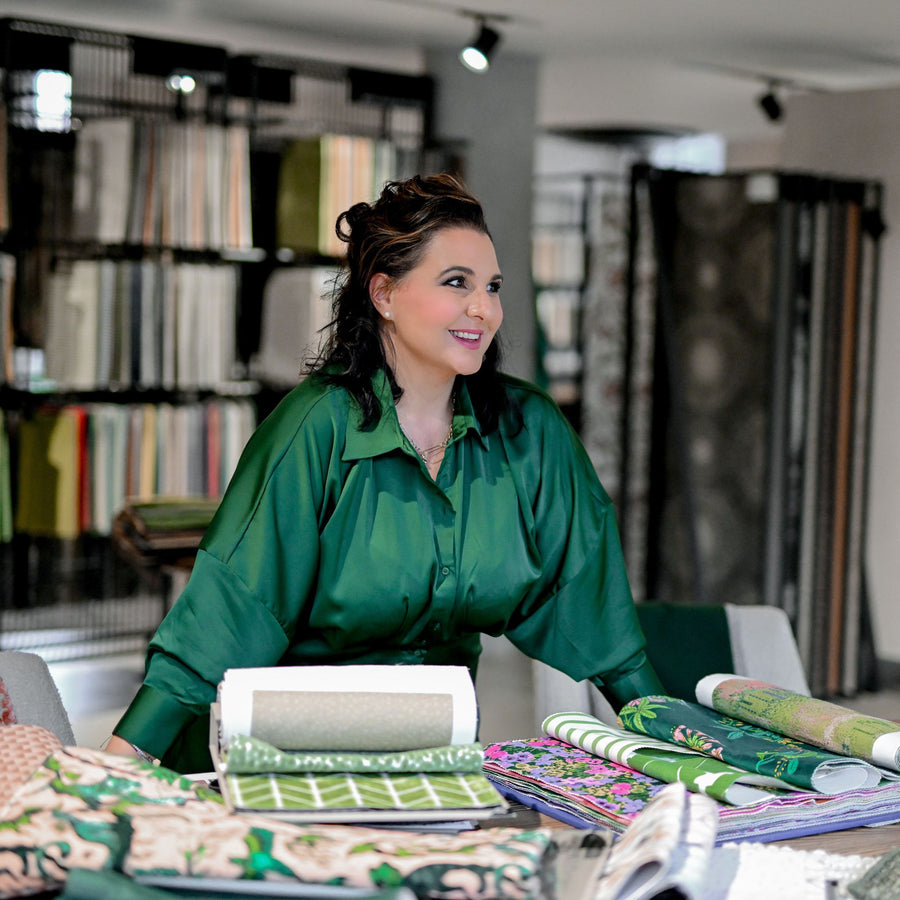
Design your space with Vinette
Looking to create a home that feels tactile, tailored and quietly luxurious?
Vinette, founder and lead designer of Giava Interiors, creates residential, hospitality, commercial and virtual interiors that balance refined aesthetics with practical modern living.
Her approach is thoughtful and collaborative, guided by proportion, material depth and timeless design. Whether she is shaping a complete interior or refining a single room, every decision is considered around how the space should look, feel and function.
Interior design services
- Residential Interior Design
- Hospitality Interior Design
- Commercial & Shopfitting Design
- Virtual Interior Design
Book a Discovery Call to discuss your next interior design project, or explore the Giava Interiors portfolio to see more of Vinette's work.


