


Luxury Wallcoverings: How to Choose the Right Wallpaper and Wall Finishes for Your Home
Wallcoverings have become one of the most powerful ways to transform a home. More than a decorative finishing touch, the right wallpaper, wall mural, textured plaster, timber panelling or natural stone cladding can shift the mood of a room, adding depth, warmth, texture and architectural interest.
Quick takeaways for choosing wallcoverings
- Match the finish to the room: Consider traffic, moisture, sunlight and maintenance before choosing wallpaper, murals, grasscloth, plaster, timber or stone.
- Scale and placement shape the result: Pattern size, wall proportions and the position of furniture, lighting and artwork should be planned together.
- Sample and install professionally: View physical samples in the actual room and use the correct preparation, adhesive and installer to protect the finish and its longevity.
How do I choose the right wallcovering for my home?
Choose a wallcovering according to how the room should feel and how it will be used. Consider moisture, traffic, sunlight, wall condition, pattern scale, furniture placement and maintenance before selecting the material. Natural grasscloth, linen, silk and handcrafted finishes suit quieter spaces, while vinyl-coated papers, embossed designs and timber panelling are often better for busy areas. Bathrooms and kitchens require moisture-resistant products, suitable adhesives, good ventilation and professional installation.
The foundations of a successful wallcovering scheme
- Define the mood and purpose of the room first.
- Match the material to traffic, moisture and maintenance needs.
- Choose a pattern scale that suits the wall and room proportions.
- Plan around headboards, artwork, mirrors, lighting and joinery.
- View physical samples in the room under natural and artificial light.
- Use an experienced installer for the correct preparation and finish.
 Natural stone brings permanence, texture and timeless appeal.
Treat wallcoverings as part of the complete design story
At Giava Interiors, wallcoverings are treated as part of the complete interior design story. They are considered alongside the architecture, furniture, lighting, soft furnishings, flooring, artwork and the way each room will be lived in.
For discerning homeowners, wallcoverings offer the opportunity to create interiors that feel layered, personal and beautifully resolved.
 Decorative plaster adds calm texture and subtle movement.
What counts as a wallcovering?
The term “wallcovering” is often associated with traditional wallpaper, but in luxury interior design, it extends far beyond that.
Wallcoverings and decorative wall finishes can include custom wallpaper, bespoke wall murals, natural grasscloth, textile wallcoverings such as silk, linen and velvet, textured and embossed designs, acoustic wallcoverings, decorative timber panelling, natural stone cladding, and specialist paint or plaster finishes such as stucco, limewash and Venetian plaster.
Each option brings something different to a space. Wallpaper and murals can introduce pattern, artistry and personality. Timber panelling brings warmth and structure. Natural stone creates a sense of permanence. Decorative plaster finishes add subtle movement and an artisanal quality that feels calm, refined and timeless.
The key is choosing the right finish for the right room.
 This guest cloakroom proves how a bold wallcovering can bring drama, personality and refined detail to an otherwise functional room.
How to choose the right wallcovering material
The material you choose should be guided by the look you want to achieve, as well as the practical needs of the space.
A guest cloakroom can often carry a more decorative or dramatic wall treatment, as showcased here in our Lavish and Tropical home refresh. A bedroom may call for something softer and more cocooning. A family lounge, children’s area or hospitality environment may require a more durable, wipeable or high-performance finish.
Natural materials such as grasscloth, linen, silk, jute, timber and stone are beautiful choices when you want an interior that feels authentic and tactile. More practical paper-backed, vinyl-coated or embossed substrates can be better suited to high-use areas where longevity and easy maintenance are important.
This is where working with an interior designer adds value. The goal is not only to choose something beautiful, but to balance beauty, durability, scale, atmosphere and everyday use.
Vinette's designer note: Never select a wallcovering from a small screen image alone. View a physical sample vertically in the room, at different times of day, and alongside the flooring, fabrics, paint colours and joinery it will sit with. Texture, sheen and colour can change significantly once they are seen in the actual light of the space.
 Burgundy velvet wallpaper delivers tactile, cocooning luxury.
Wallcovering trends for luxury homes
One of the strongest trends we are seeing is a move towards wallcoverings that engage more than just the eye. Homeowners are looking for interiors that feel warm, atmospheric and sensorial, with surfaces that invite touch and create presence.
Rich, cocooning tones are especially relevant. Burgundy, oxblood, plum, deep chocolate and other moody shades are being used to bring intimacy and sophistication to bedrooms, lounges, bars and private retreats. When balanced with the right furniture, lighting and textiles, these colours can feel luxurious rather than heavy.
Tactile and three-dimensional wallcoverings are also gaining momentum. Velvet-finish designs, embossed patterns and dimensional textures add depth and make a space feel more immersive.
Pattern is returning too, but in a more refined way. Sophisticated geometrics, tonal patterns, artistic motifs and organic designs are replacing overly busy prints. Bespoke murals and nature-inspired designs remain popular for homeowners who want something softer, more personal and unique.
Ultimately, the strongest trend is individuality. Clients are moving away from generic feature walls and choosing treatments that reflect how they want their homes to feel.
 Wallcoverings complete the story when every design detail is considered.
Why wallcoverings are worth considering
A well-chosen wallcovering can transform a room without requiring a full renovation. It can introduce colour, texture, pattern and architecture in one considered design move.
In a bedroom, it can create softness and a sense of retreat. In an entrance hall, it can add gravitas and set the tone for the rest of the home. In an entertainment area, it can improve atmosphere and even assist with acoustics. In a dining room or bar, it can bring drama, personality and boutique-hotel character.
For South African homes, this balance is especially important. Interiors often need to feel elegant and polished, while still being comfortable, practical and easy to live in. A good wall treatment helps achieve this balance by adding interest without necessarily overwhelming the room.
 Scale and placement turn a mural into artful architecture.
Design tips for choosing wallcoverings
Start with the feeling you want the room to create. Do you want the space to feel calm and restful, bold and dramatic, warm and intimate, or light and organic? Once the mood is clear, the wallcovering can be selected to support that feeling.
Scale is also critical. Large murals and expansive patterns need enough wall space to be appreciated. Smaller patterns often work beautifully in more intimate areas such as cloakrooms, reading nooks or passageways.
It is also important to plan around furniture, headboards, mirrors, artwork, wall lights and curtains. A beautiful mural can lose its impact if the key part of the design is hidden behind a headboard or interrupted by a mirror.
 Wrapped wallcoverings create an immersive, intentional and complete nursery.
Choose between a feature wall and a wrapped room
Another important consideration is whether to use the wallcovering on one wall only or wrap the entire room. In some spaces, a single focal wall creates the right amount of impact. In others, using the wallcovering more generously can make the room feel more immersive, intentional and complete.
Most importantly, view the wallcovering as part of the broader interior. When the colour palette, furniture, fabrics, lighting and finishes are planned together, the result feels elevated rather than decorative for the sake of decoration.
How to maintain wallcoverings
Maintenance starts with choosing the correct wallcovering for the correct area.
A delicate natural wallcovering may be beautiful in a bedroom or formal lounge, but may not be the best choice for a high-traffic family area. A more durable or wipeable substrate is often better suited to busy rooms, children’s spaces or hospitality environments.
Always follow the supplier’s care instructions, as different materials require different treatment. In general, textured surfaces should be dusted gently with a soft cloth or brush attachment, harsh chemicals should be avoided, and marks should be dealt with as soon as possible using the recommended cleaning method.
Moisture, ventilation and sunlight also matter. In bathrooms, kitchens or sun-exposed areas, the correct substrate, adhesive and installation method are essential. Professional installation is one of the best ways to protect your investment, as poorly prepared walls or incorrect adhesives can affect both the finish and longevity of the wallcovering.
For plaster, stone and timber finishes, periodic sealing or specialist maintenance may be recommended depending on the product and environment.
Choose beyond the immediate trend
The most successful interiors are not built around novelty. They are grounded in materials, colours and finishes with lasting appeal.
When choosing a wallcovering, consider how it will feel in five or even ten years’ time. Natural materials such as stone, timber, grasscloth and handcrafted decorative finishes are particularly powerful because they tend to age with character rather than date quickly.
Not every wall needs to be a statement. Often, the most beautiful interiors rely on contrast: a quieter textured surface in one area, a more decorative focal point in another, and a considered palette that connects the whole home.
This balance is what allows a space to feel luxurious, comfortable and timeless.
Frequently asked questions about wallcoverings
Which wallcovering material is best for each room?
The best material depends on the room’s purpose and conditions. Grasscloth, linen, silk and handcrafted finishes work beautifully in bedrooms, studies and formal lounges, while vinyl-coated wallpaper, embossed wallcoverings and timber panelling are better suited to busy family areas. Bathrooms and kitchens need moisture-resistant materials, appropriate adhesives and good ventilation.
What is the most durable wallcovering for high-traffic areas?
For family lounges, children's spaces and hospitality environments, durable options such as vinyl-coated wallpaper, commercial-grade embossed wallcoverings and timber panelling are practical choices. Delicate materials such as grasscloth, linen and silk are generally better reserved for lower-traffic bedrooms, studies or formal lounges.
Can I use luxury wallpaper in a bathroom or kitchen?
Yes, provided the product is suitable for moisture-prone areas. Choose a moisture-resistant or vinyl wallcovering, use the correct adhesive and wall preparation, and ensure the room has good ventilation. Professional installation is particularly important in bathrooms and kitchens.
Should I put wallpaper on one wall or wrap the whole room?
A single feature wall can create a defined focal point, especially with a mural or large-scale pattern. Wrapping the entire room creates a more immersive and intentional effect. The best approach depends on the room's size, natural light, ceiling height, pattern scale and the atmosphere you want to create.
Do wallcoverings make a room look smaller?
Not necessarily. Dark colours and immersive patterns can make a room feel more intimate, while lighter textures and tonal designs can add depth without visually closing the space. The effect depends on the room's proportions, lighting, ceiling height, pattern scale and placement.
Does Giava Interiors handle wallcovering installation?
As part of its comprehensive interior design service, Giava Interiors can select and specify the appropriate wallcovering and oversee professional installation so that the preparation, placement and finish are carefully resolved.
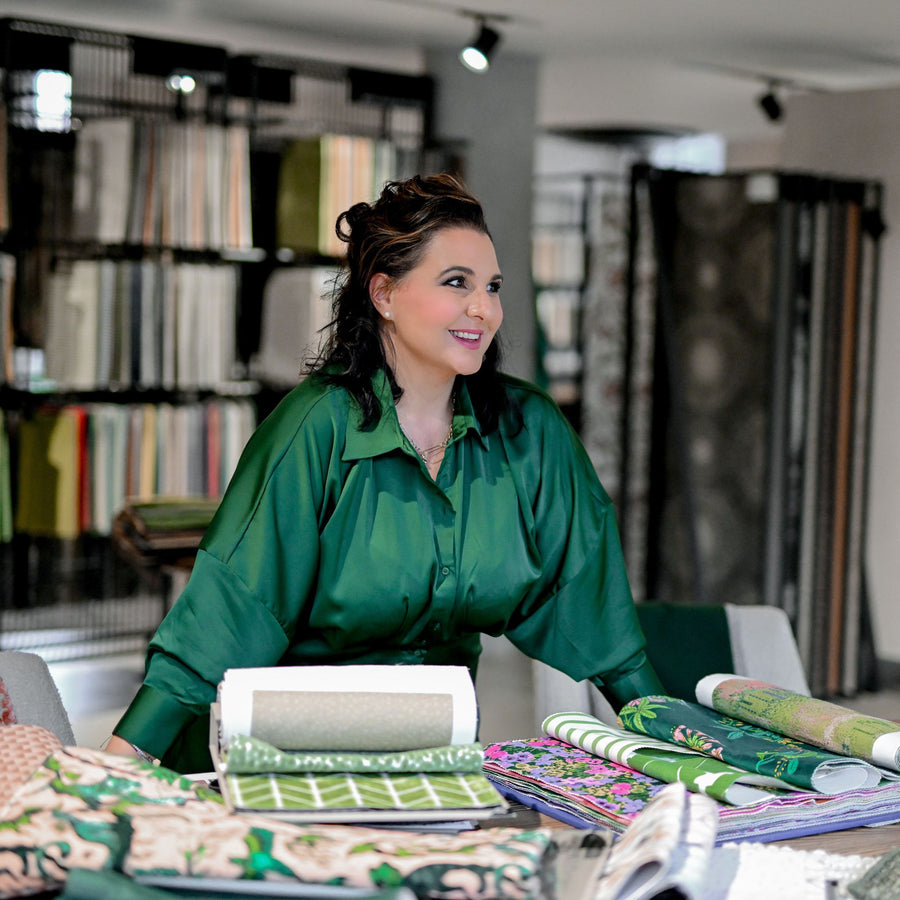
Design your space with Vinette
Considering wallpaper, a mural or a specialist wall finish for your home?
Vinette, founder and lead designer of Giava Interiors, creates residential, hospitality, commercial and virtual interiors that balance refined aesthetics with practical modern living.
Her approach considers wallcoverings as part of the complete design composition, bringing together architecture, furniture, lighting, colour, texture and materiality so that every finish feels intentional and beautifully resolved.
Interior design services
- Residential Interior Design
- Hospitality Interior Design
- Commercial & Shopfitting Design
- Virtual Interior Design
Book a Discovery Call to discuss your next interior design project, or explore the Giava Interiors portfolio to see more of Vinette's work.


